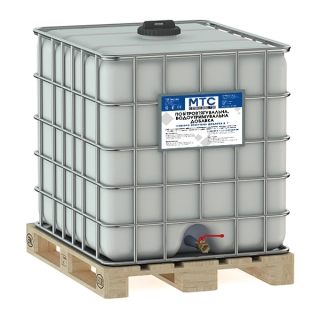
Why You SHOULD NOT Add Soap or Detergents to Construction Mixes — Expert Explanation from MTC Concrete
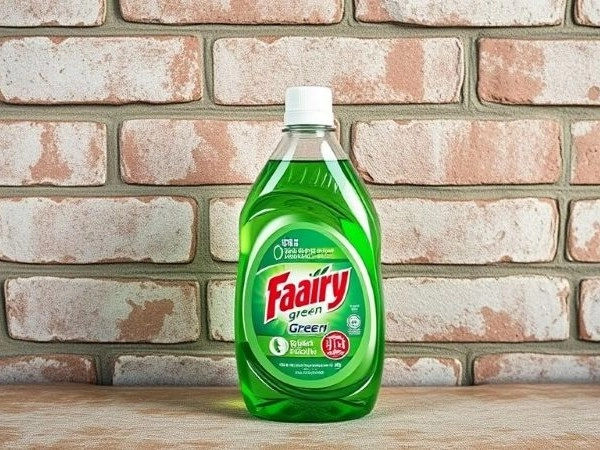
Professional construction does not tolerate amateur shortcuts.
Modern construction demands precision, technology, and high quality. Yet some workers still add soap, shampoo, dishwashing liquid, or even laundry detergent to cement and masonry mixes in hopes of “improving plasticity” or “cutting costs.”
But does it actually work? No! In fact — it’s harmful!
Household chemicals are the enemy of construction mortar.
- Unpredictable chemical composition
Household cleaning products contain surfactants, dyes, fragrances, preservatives, phosphates, soda, and other additives that are not formulated for interaction with cement. These components can disrupt:
- the curing process of the mortar;
- adhesion to surfaces;
- the long-term durability of the material.
As a result, instead of a strong and reliable structure, you get a mix that begins to deteriorate from the inside.
- Efflorescence: the main problem with "home-made" additives
What is efflorescence?
Efflorescence appears as white crystalline stains or deposits on the surface of bricks, joints, tiles, or stone. It results from soluble salts migrating to the surface through moisture movement within the masonry.
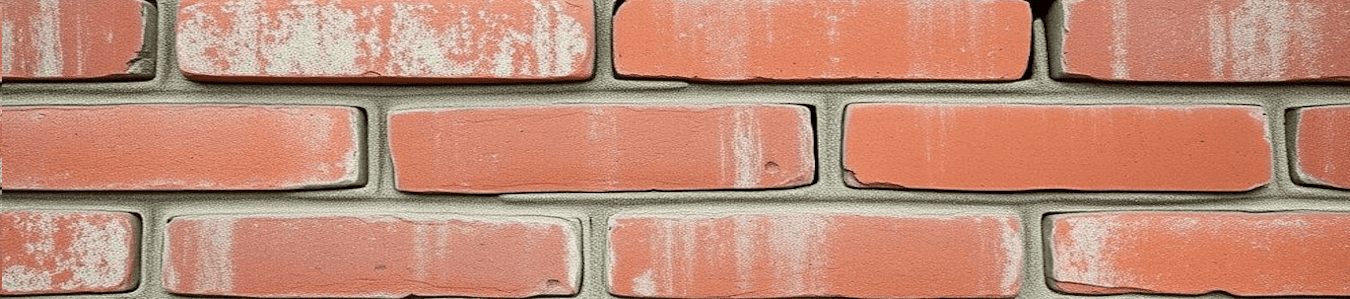
Main causes of efflorescence:
- Presence of soluble salts in the mix:
- Soaps, shampoos, and dishwashing liquids often contain soda, phosphates, surfactants, and chlorides — all unsuitable for cement use.
- These elements remain in the cured mortar and are slowly drawn to the surface by moisture.
- Increased capillary porosity:
- Household additives, especially cleaning agents, cause excessive foaming, which creates a capillary structure in the mix.
- This accelerates moisture rise to the surface — carrying salts with it.
- Disturbed water retention and uneven drying:
- Soap-based additives interfere with normal evaporation, encouraging uneven salt crystallization on the surface.
Typical consequences for masonry and cladding:
- Unsightly facades or interiors (especially on decorative brick, clinker, or stone);
- Joint degradation and loss of structural integrity;
- Moisture accumulation behind cladding, causing tile or stone detachment;
- Reduced frost resistance — salt attracts moisture, which freezes and breaks the material from within.
How to avoid efflorescence:
- Use only professional plasticizers and additives specifically designed for cement-based mixes (e.g. lime substitutes);
- Ensure proper water retention, plasticity, and curing without household chemicals;
- Apply dry mixes from trusted manufacturers that contain no readily soluble salts.
- Foam, air pockets, and microcracks
Cleaning agents generate excessive foam that leaves air voids in the mix. This reduces:
- masonry strength;
- frost resistance;
- mechanical load resistance.
These mixes are prone to cracking, especially outdoors or under temperature fluctuations.
- Incompatibility with modern dry mixes
If you're using ready-mix mortars or new-generation cements, household additives will counteract the effects of the advanced components.
Many modern mixes already include complex, professionally balanced additives with precise dosing and cement compatibility.
The Alternative — Professional Additives by MTC Concrete
At MTC Concrete, we offer only certified and tested additives specifically designed for:
- masonry and plaster mixes;
- concrete of any grade;
- tile adhesives;
- façade work mortars.
Advantages of our plasticizers:
- Stable plasticity without compromising strength;
- No efflorescence;
- Enhanced water retention and frost resistance;
- Compatibility with all cement types and fillers.
Safe formula — no salts, phosphates, or harmful chemicals.
Build Right with MTC Concrete
Efflorescence is a direct result of improper or counterfeit building components. The primary cause? Household additives loaded with salts and surfactants. To avoid this, always use certified additives like those developed by MTC Concrete — designed for consistent, durable, and clean masonry with no efflorescence. Don’t compromise on quality or longevity. Choose proven construction technologies — professional additives that deliver results.
Learn more about our additive range:
→ Browse the product catalog
or:
→ Contact an MTC Concrete technical expert — we’ll help you find the best solution for your project.
MTC Concrete — Quality Proven in Practice. No Efflorescence. No Compromises.